THE BEAUTY OF EMOTION

Santos de Cartier

The very first modern-day wristwatch, Santos is the timepiece that pioneered modern watchmaking.

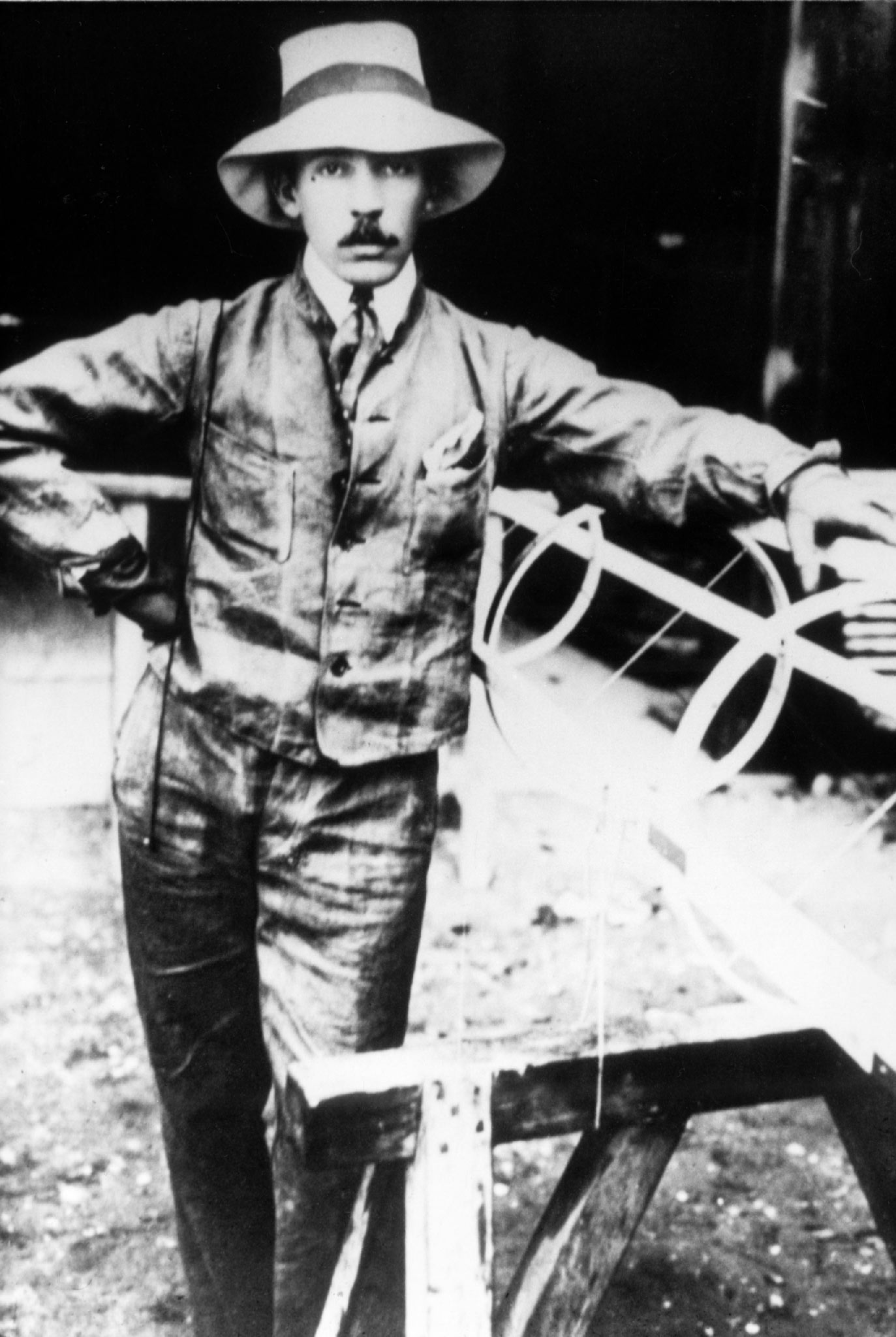
Louis Cartier developed this innovative style for another renowned trailblazer: Brazilian aviator and explorer Alberto Santos-Dumont.

In 1903, Cartier met with Santos-Dumont and set out to design a watch the pilot could wear and use during flight. With its visible screws, Art Deco-influenced aesthetic, striking blend of gold and steel, and – in its latest adaptation – a newly introduced interchangeable strap, the Santos remains as sharp as it was 118 years ago, when it adorned the wrist of its first wearer.

The watch’s intrepid spirit and sleek lines most recently came to life in a dreamy old-Hollywood-style campaign with actor Jake Gyllenhaal.

Though the iconic leading man commanded the screen, the campaign’s star product transcends time, too. Santos is perfect for a wearer who is ready to take risks and live fearlessly in the moment.

metallic-waves

Santos de Cartier

The beauty of emotion

In 1904, Louis Cartier fulfilled the wish of pioneering aviator Alberto Santos-Dumont: to be able to read the time on his pocket watch mid-flight, without letting go of the controls. And yet Cartier had no idea that with the Santos watch, he was revolutionising watchmaking.

With its square shape and rounded corners, the Santos offered a groundbreaking alternative to the round watches of the time.

The screws – traditionally hidden in watchmaking at the time – were left visible, a choice that became an aesthetic calling card of the collection. Today, the screws are still functional, helping to guarantee water-resistance up to 328 feet.

The winding crown, the central element of the case, requires great precision to guarantee water-resistance. But the technical function in no way alters the design: the seven-sided crown is set with a blue spinel, or a sapphire for special editions.

In 1909, Cartier patented the invention of the folding clasp. The new 2019 version enhances the reliability, versatility and ergonomic nature of the watch.

The patented QuickSwitch system offers the ability to change from a metal to a leather strap. The metal bracelet also benefits from patented SmartLink technology that allows the length of the bracelet to be adjusted manually.

Though the Santos introduced several new innovations, it also featured many classic Cartier details: Roman numerals, railway track motifs, and blue sword-shaped hands on the dial, with the Cartier emblem subtly hidden in one of the Roman numerals, as well as Cartier’s patented MC movement mechanism, developed to ensure a high level of performance and reliability.


 

The very first modern-day wristwatch, Santos is the timepiece that pioneered modern watchmaking.

Louis Cartier developed this innovative style for another renowned trailblazer: Brazilian aviator and explorer Alberto Santos-Dumont.

In 1903, Cartier met with Santos-Dumont and set out to design a watch the pilot could wear and use during flight. With its visible screws, Art Deco-influenced aesthetic, striking blend of gold and steel, and – in its latest adaptation – a newly introduced interchangeable strap, the Santos remains as sharp as it was 118 years ago, when it adorned the wrist of its first wearer.

The watch’s intrepid spirit and sleek lines most recently came to life in a dreamy old-Hollywood-style campaign with actor Jake Gyllenhaal.

Though the iconic leading man commanded the screen, the campaign’s star product transcends time, too. Santos is perfect for a wearer who is ready to take risks and live fearlessly in the moment.

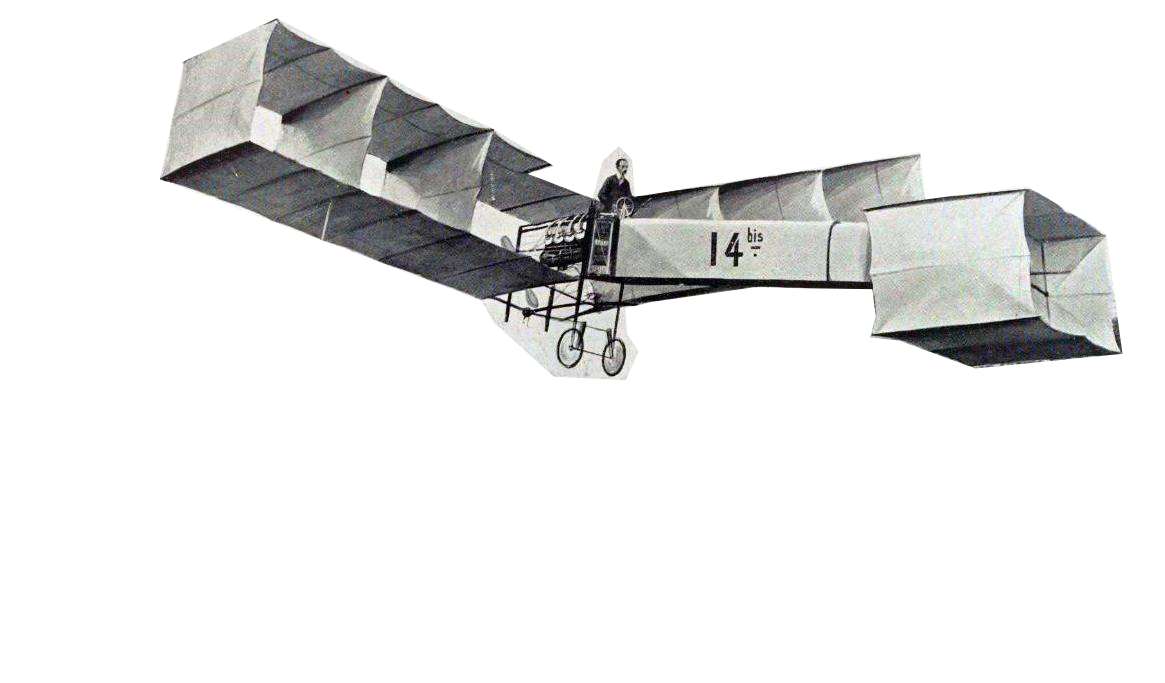
Aviator Alberto Santos-Dumont in 1907 in front of his airplane "Demoiselles"
metallic-waves
Sheet metal riveted and welded together in tiers, rounding like waves in the ocean
pexels-soubhagya-maharana-5245865
Actor Jake Gyllenhaal embodies Santos de Cartier

In 1904, Louis Cartier fulfilled the wish of pioneering aviator Alberto Santos-Dumont: to be able to read the time on his pocket watch mid-flight, without letting go of the controls. And yet Cartier had no idea that with the Santos watch, he was revolutionising watchmaking.

With its square shape and rounded corners, the Santos offered a groundbreaking alternative to the round watches of the time.

The screws – traditionally hidden in watchmaking at the time – were left visible, a choice that became an aesthetic calling card of the collection. Today, the screws are still functional, helping to guarantee water-resistance up to 328 feet.

The winding crown, the central element of the case, requires great precision to guarantee water-resistance. But the technical function in no way alters the design: the seven-sided crown is set with a blue spinel, or a sapphire for special editions.

In 1909, Cartier patented the invention of the folding clasp. The new 2019 version enhances the reliability, versatility and ergonomic nature of the watch.

The patented QuickSwitch system offers the ability to change from a metal to a leather strap. The metal bracelet also benefits from patented SmartLink technology that allows the length of the bracelet to be adjusted manually.

Though the Santos introduced several new innovations, it also featured many classic Cartier details: Roman numerals, railway track motifs, and blue sword-shaped hands on the dial, with the Cartier emblem subtly hidden in one of the Roman numerals, as well as Cartier’s patented MC movement mechanism, developed to ensure a high level of performance and reliability.